Design for the Real World
30 Oct 2021 - 10 Jul 2024

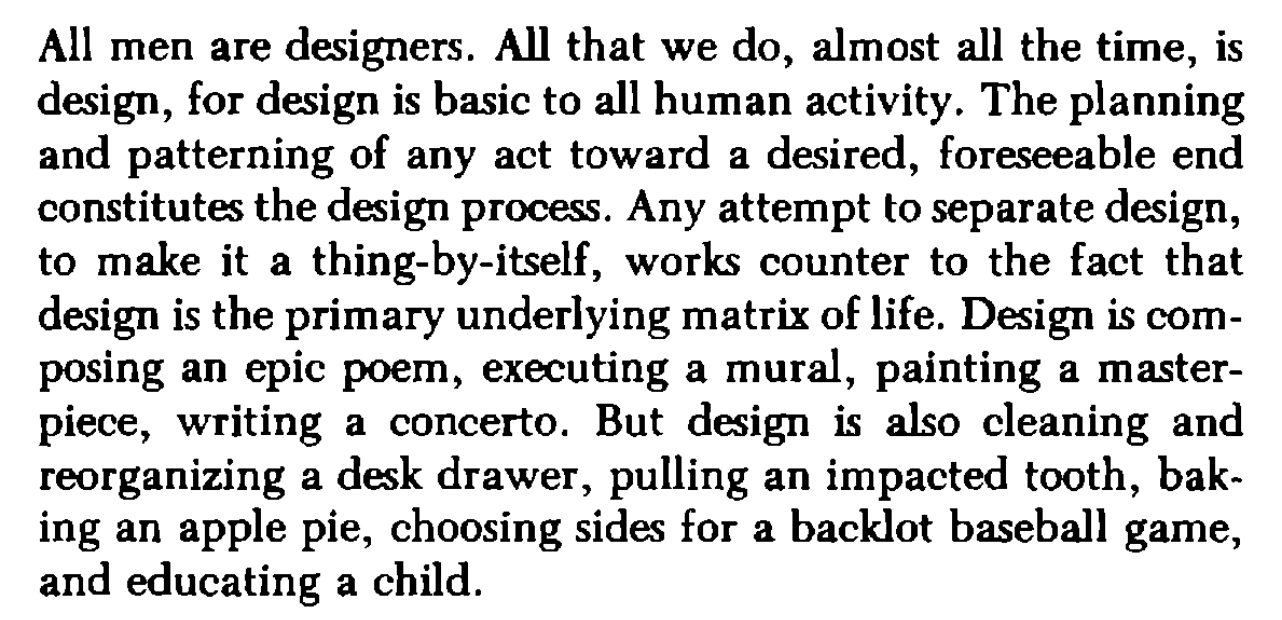
- book by Victor Papanek, which I think counts as an influence. it had an outsized impact on me.
- I was exposed to a really compelling version of design stance at an early age, since I somehow discovered Victor Papanek's Design for the Real World at the public library (quite possible heard about it via Whole Earth Catalog). This was an eye-opening and intense book, as Papanek excoriated the profession of industrial design for spending its energies on trivial things while the real problems of the world are begging for creative solutions. At the time I read it I probably had no idea that there was such a thing as industrial design, but now I not only was aware, I had strong opinions about it.
- The one thing I remember taking from it was a sense of the author's outrage, a practitioner in a field who was willing to criticize the field as a whole, to tell it something it probably didn't want to hear, that it was disregarding its responsibilities to society.
- In Papanek's case it was the industrial design field devoting its energies to the creation of useless tchtchkes for the bourgeoise, rather than to the more pressing and significant problems of the third world.
- The universality of design

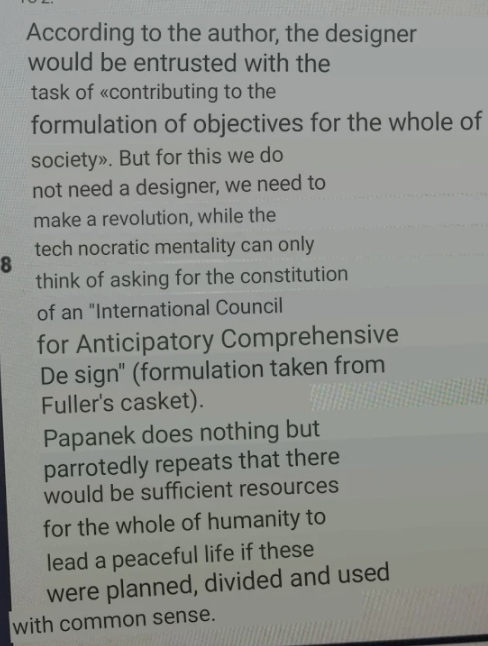
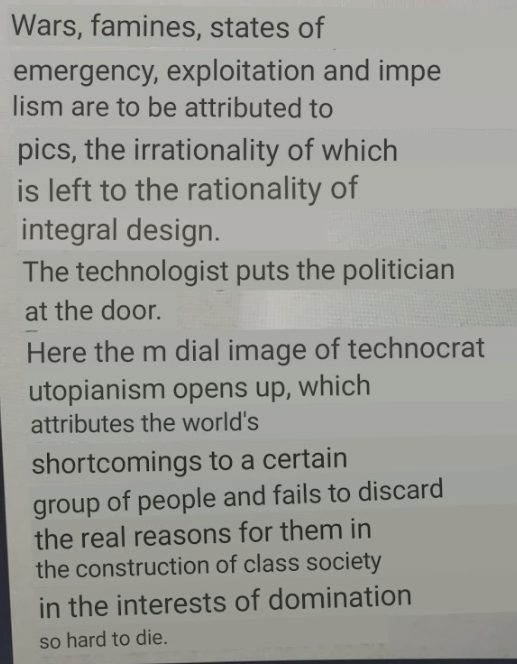
- Oh shit Papanek is bad now? (Gui Bonsiepe)
This rare 1974 issue of Casabella was definitely worth finding - if only for the blistering three-page attack that Gui Bonsiepe waged on Victor Papanek's vision of design humanitarianism for the underdeveloped world! pic.twitter.com/gNymysxLp0
— Evgeny Morozov (@evgenymorozov) June 28, 2021- Google Lensed some of that, it's what I guess you would expect (Papanek not Marxist enough)
- Design Provocateur: Revisiting the Prescient Ideas of Victor Papanek
But even in the early 1970s, some critics, among them Ulm School of Design alumnus Gui Bonsiepe, saw these designs as a thinly disguised form of neocolonialism. In a full-blown critique published in Casabella, Bonsiepe accused Papanek outright of collusion with the U.S. military, which, he argued, would appropriate the device as a cheap means of disseminating pro-American propaganda throughout largely non-literate countries. (Papanek, like Fuller, had in fact received limited financial support from the U.S. Army.)
- Victor Papanek: The Politics of Design
- An exhibition retrospective of Papanek, at the Vitra Design Museum, Vienna (which I note is located on Charles-Eames-Strasse, nice)