
Protocols/Protocol Thinking
28 Sep 2025 - 29 Sep 2025
Preface
- This was written as my first response to protocols, so must be (mostly) from March 2023.
- Note also that procedural thinking is an older version of a similar or at least overlapping set of ideas. Also see Infrastructure of intention.
Main
- VGR is organizing a big thing on protocols:
- The Unreasonable Sufficiency of Protocols - Summer of Protocols
- The minimal initial definition:
A protocol is a stratum of codified behavior that allows for the construction or emergence of complex coordinated behaviors at adjacent loci.
- Protocols Reading List | All (this looks like an excellent resource, I immediately started compling my own, see below)
- This struck me as such a good idea that I immediately started making a
Reading list
- Mark Miller's paper on Institutions as APIs Institutions as Abstraction Boundaries
- Erving Goffman's microsociology
- Phil Agre, Routines (maybe a stretch? But shows some new ways to think about the emergence of patterns of interaction)
- All of software engineering and distributed computing is desiging protocols, basically, especially: languages, operating systems, APIs, platforms.
- Unix
- System/360 (Fred Brooks Design of Design)
- SmallTalk (see History of Smalltalk )
- The whole field of distributed computation, esp Actors
- Why these particular items? They exemplify a particular kind of design, which might as well be called "protocol design" although it is also fairly called "abstraction design". A normal design optimizes a single construct like a house (which might have a whole bunch of divergent and conflicting requirements, but its still a thing), protocol design creates a way for different parts to interact productively with each other.
- In tech, this kind of protocol design is an everyday activity, almost. Actually, no it isn't, most work is making use of existing protocols, making a new protocol (or language or platform) is fairly rare and requires a certain skillset that not every programmer has.
- Lambda: The Ultimate Protocol
- A shit-ton of comedy is about protocol failures, and protocol mechanics -- Seinfeld especially was practically a textbook on this, its followup Curb Your Enthusiasm even more so. It's practically all the characters talk about.
- Awkwardness might be relevant – as I recall, it is the social condition of not knowing the proper protocol or how to negotiate it.
- A collection of books on social protocols
What is a protocol anyway?
- technical protocols like TCP
- social protocols like "restaurant" or "date" or "grocery checkout line", or the more heavyweight ones like "negotiation" or "campaign rally".
- checklists
- elaborate technical but non-automated procedures, things that require careful planning, runbooks, like that (thinking of the Apollo program because I'm watching that show)
Protocols, therefore, are the very embodiment of A. N. Whitehead’s observation: “Civilization advances by extending the number of important operations which we can perform without thinking of them.”
- Protocol as ritual minus all the spiritual / psychological aspects.
- Standardizing various sociotechnical processes.
- Containerization
- The way YC made "startup" a routine thing, with very standardized steps.
- Chain restaurants, Starbucks makes a standard protocol for getting (bad) coffee
- Biological protocols: there are many
My day job
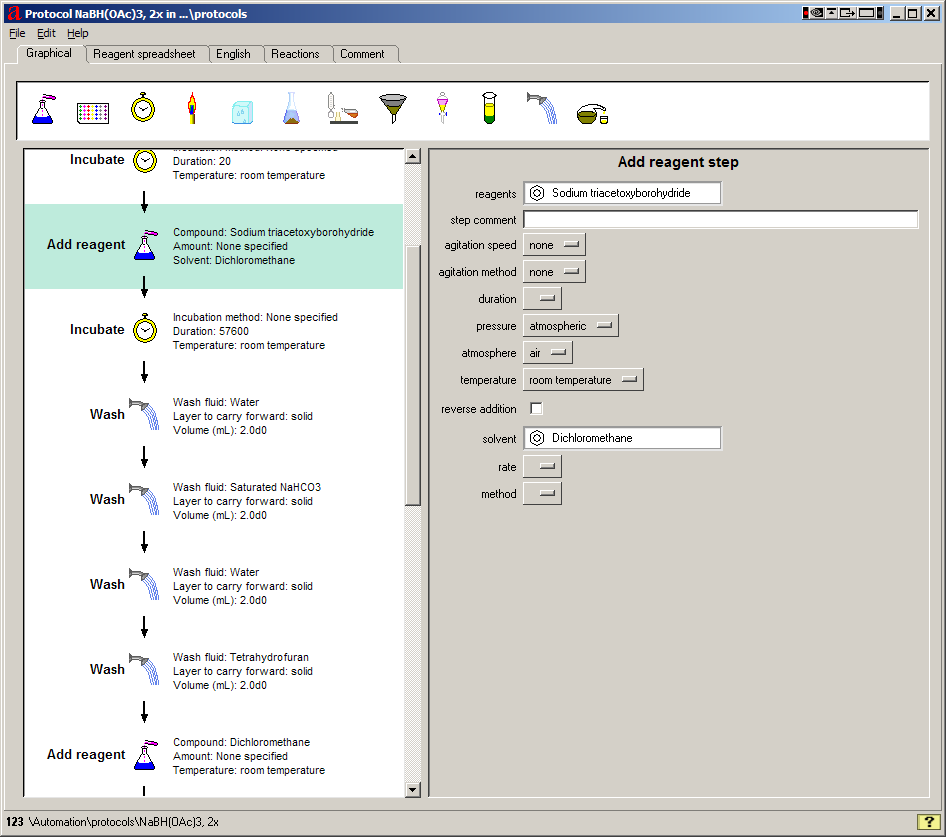
- Building software that can encode and implement scientific protocols, especially those that require joint execution by human and automated processes. I've been doing variants of this for years; here's a screen from 24 years ago:
- And then there is MTA generator
Random
- Good article from Sam Penrose EVT Will Save Millions of Lives From Stroke. Eventually. - The New York Times
think of it like an extremely high-stakes flow chart: If this, then that.
What's new here
- My tendency is to think of all the protocol-like stuff I've read in the past (and subtly or unconsciously piss on this new movement, as not really all that new). Trying to avoid that.
- Protocols as a class of thing
- that can be studied in the anstract
- Focus on protocol design, which is a rare and generally under-theorized skill
- Blurring the distinction between technical protocols and human protocols (not that new, but in our hyperconnected age more relevant than ever)
Private protocols
- Protocols of recognition. Codes of the Underworld. The general idea: most of the protocols discussed seem to be pretty open to anybody, but many real-world protocols fulfill functions of authentication, loyalty testing, and secrecy. Spy protocols and hobo codes are designed to communicate among select parties while excluding others.
- This just seems like a pretty basic aspect of protocols, not sure it has been theorized much.
- The Harlan Ellison story Repent Harlequin said the Ticktockman
- That scene in The Sopranos where they try to shake down a Starbucks
- Most of Seinfeld and Curb Your Enthusiasm
- The Wire (and really all police procedurals)
- Alright maybe all fiction?
